
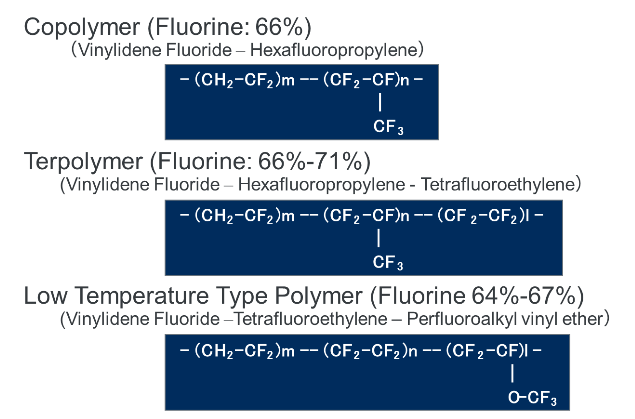
FPM and FKM essentially refer to the same material, fluororubber.
They are fundamentally similar in chemical structure and basic properties; the main difference lies in their naming standards.
Naming Standards and Origins
FKM: An abbreviation of the American ASTM D1418 standard, representing Fluorocarbon rubber. It is more common in the American market and some internationally used contexts.
FPM: An abbreviation of the international ISO 1629 standard, representing Fluorinated Propylene Monomer. It is widely used in European, Asian, and Chinese national standards.
Performance and Application Consensus
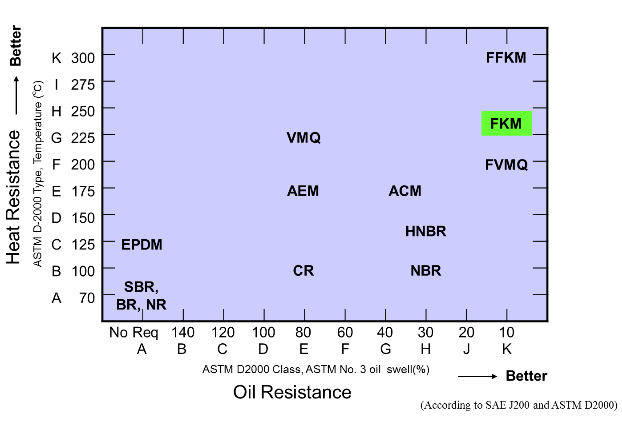
Basic Properties: Both possess excellent high-temperature resistance, oil resistance, chemical corrosion resistance, and aging resistance.
Long-term operating temperatures typically reach 200℃~250℃.
Actual Differences: The designation itself does not determine performance.
Actual performance differences primarily depend on the specific manufacturer's formulation (such as fluorine content, monomer ratio, and vulcanization system), rather than the FKM or FPM designations themselves.
Selection Recommendation: When purchasing or replacing, the two are often interchangeable.
The key is to verify the specific grade's technical parameters (such as hardness, tensile strength, and media resistance type), rather than focusing solely on the FKM or FPM designation.

致力于全球自动化应用服务提供商
Copyright © 2018-2020 悦尔阀门 Rights Reserved.